Wait! Don’t Go Yet! 👋
We see you eyeing those adorable outfits! 😍 Before you leave, here’s 10% OFF your first order!
Hurry, your little one’s next favorite outfit is waiting! 🛍️✨
We see you eyeing those adorable outfits! 😍 Before you leave, here’s 10% OFF your first order!
Hurry, your little one’s next favorite outfit is waiting! 🛍️✨
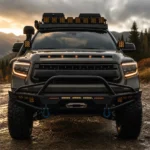
Choosing the right Toyota Tacoma off-road mods is easier when you start with the conditions you actually drive in. A daily-driven Tacoma used on forest roads does not need the same setup as a truck built for rocky trails, desert terrain or overlanding.
The most useful upgrades improve visibility, traction, ground clearance, underbody protection and recovery capability. This guide covers five practical Tacoma upgrades that address common off-road challenges without adding unnecessary weight or complexity.
Factory headlights are designed for normal road use, but off-road driving often requires wider and more controlled illumination. Trails can have unmarked edges, uneven surfaces, fallen branches and obstacles outside the factory beam pattern.
A properly installed LED light bar or auxiliary light setup can help illuminate areas that are difficult to see with the factory headlights alone.
A spot beam projects farther down an open trail, while a flood beam provides wider coverage near the front of the truck. A combo beam can be a flexible option for drivers who use their Tacoma in different environments.
For a street-driven truck, auxiliary lights should be aimed responsibly and used according to local regulations. Avoid creating glare for other drivers, and confirm that the wiring includes a fuse and relay suitable for the electrical load.
Explore Toyota Tacoma LED Lighting Upgrades
Tires are one of the most important Toyota Tacoma off-road mods because they are the only part of the vehicle that directly contacts the ground.
All-terrain tires are a practical choice for owners who divide their time between pavement, gravel roads and moderate trails. They provide more off-road capability than standard highway tires while remaining suitable for daily driving.
Mud-terrain tires use a more aggressive tread pattern and larger voids to clear mud and loose terrain. They can provide additional traction in difficult conditions, but they may create more road noise and wear faster during regular highway use.
A larger tire can improve ground clearance, but it may also affect steering clearance, acceleration, braking and fuel consumption. Confirm the tire size with your wheel, suspension and fender setup before ordering.
A suspension upgrade can improve the Tacoma’s ground clearance and create additional space for larger tires. It can also change suspension geometry, ride quality and alignment requirements.
Common suspension upgrades include:
A leveling kit may be enough for owners who want a slightly different stance and room for a modest tire upgrade. A complete suspension system is usually more appropriate for frequent trail use, additional vehicle weight or demanding terrain.
Any suspension change should be followed by a professional alignment check. Incorrect alignment can cause uneven tire wear, steering problems and reduced highway stability.
When selecting suspension components, pay attention to the intended vehicle generation, cab configuration, engine, payload and accessory weight. A suspension setup for a lightly equipped Tacoma may not perform the same way after adding a steel bumper, winch, roof rack and full-size spare tire.
Rocks, ledges and deep ruts can damage components underneath the truck even when the body panels look fine. Skid plates help shield vulnerable areas such as the engine, transmission, transfer case and fuel tank.
Factory plastic shields may be suitable for light gravel-road use, but frequent trail drivers may prefer steel or aluminum protection with stronger mounting points.
Steel skid plates are generally heavier but can provide strong impact resistance. Aluminum plates are lighter and can reduce added weight, which may be helpful for overlanding builds that already carry camping, recovery and storage equipment.
Before buying, check:
A skid plate should protect the vehicle without creating unnecessary service problems. Poorly designed panels can trap mud, restrict drainage or make routine maintenance more difficult.
Even a well-equipped Tacoma can become stuck. Recovery equipment should be selected based on the truck’s actual weight, the terrain and the available recovery points.
Useful recovery equipment may include:
Never use a decorative tow hook or an unverified attachment point for vehicle recovery. Recovery points should be properly rated and mounted to the vehicle structure.
Read the manufacturer’s instructions for every recovery product. A recovery strap, winch and soft shackle all have different operating limits and should not be treated as interchangeable equipment.
One of the most common mistakes in Tacoma builds is adding upgrades without considering total vehicle weight. Bumpers, winches, skid plates, roof racks, larger tires, fuel, tools and camping equipment can quickly change how the truck handles.
Before completing a build, consider:
The best build is not always the heaviest build. A lighter setup with reliable tires, useful lighting and proper recovery equipment may perform better than a truck overloaded with accessories.
If you are building your Tacoma gradually, start with the upgrades that solve your most common problems.
The most useful Toyota Tacoma off-road mods are the ones that improve capability without making the truck difficult to maintain or uncomfortable to drive every day. Start with tires, lighting, protection and recovery equipment, then add suspension upgrades as your terrain and vehicle weight require.
Shop Toyota Tacoma LED Lighting Products