PPF vs Ceramic Coating for Off-Road Vehicles: What Actually Protects Paint
One is a physical film that takes the hit. The other is a thin chemical layer that keeps the surface clean. On a trail, that single difference decides which one you need.
The PPF vs ceramic coating question usually gets answered as if one product were simply better than the other. It isn’t. Paint protection film and ceramic coating defend against different kinds of damage, and a vehicle that spends its weekends on gravel, two-tracks and brush-heavy trails faces both kinds at once. This guide strips the marketing language away and compares what each one is made of, what it stops, how long it typically lasts, and how owners actually combine them. For more build-side reading, see the Rovaree Journal.
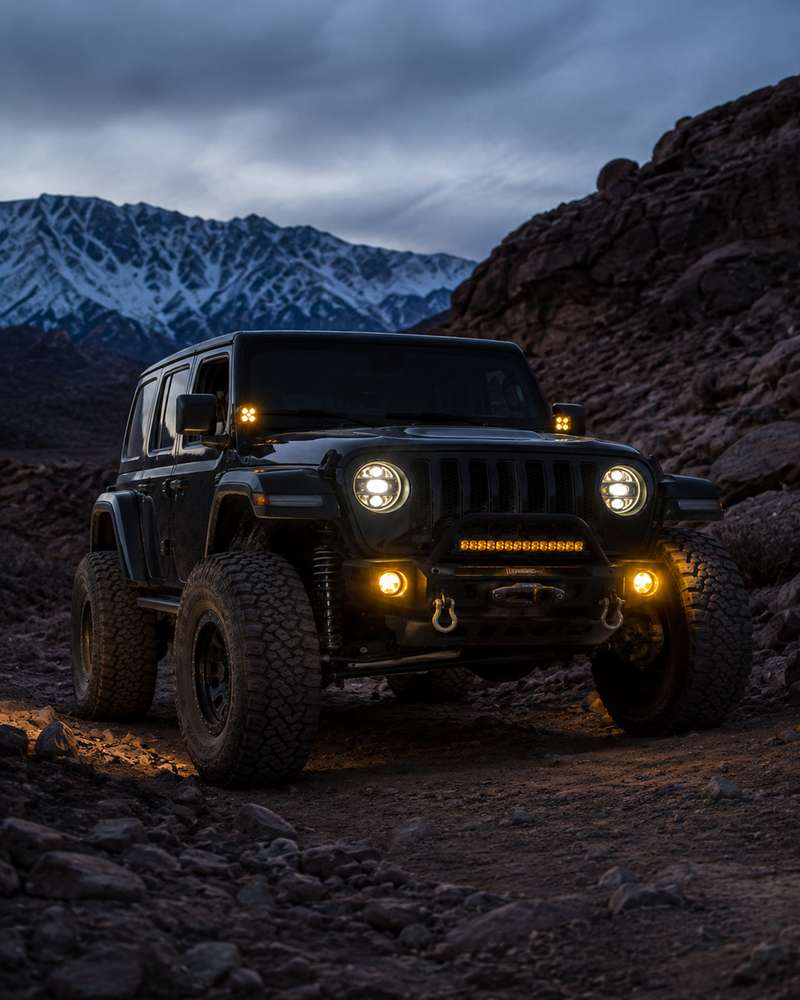
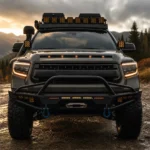
Loose gravel and long days outdoors are why the PPF vs ceramic coating question lands differently for a trail-driven truck.
The one difference that matters: impact versus surface
Paint protection film is a physical barrier. It is a transparent urethane sheet, measured in mils, that sits between your paint and the world. When a pebble leaves the tyre of the truck in front of you, the film absorbs the energy instead of the clear coat.
A ceramic coating is a chemical layer. It is a liquid polymer, usually silica-based, that bonds to the clear coat and cures into a surface only a few microns thick. It changes how water, UV light, road film and contaminants interact with the paint — but it has almost no thickness, so it cannot absorb an impact. No coating, regardless of how many layers are applied, will stop a stone at highway speed.
The short version: PPF stops physical damage. Ceramic coating stops environmental damage and makes washing dramatically easier. Neither does the other’s job.
What paint protection film actually is
Modern PPF is a thermoplastic polyurethane (TPU) film, typically around 6–8 mils thick, applied wet over painted panels and trimmed to the body. It began as a military material for protecting rotor blades and leading edges, which is a fair description of what a front bumper does on a forest road.
Impact absorption. The thickness and elasticity of the film disperse the energy of stone chips, gravel rash and light trail abrasion.
Self-healing top coat. Premium films carry an elastic top layer; light swirls and fine marks fade with heat from the sun or warm water.
Optical clarity and stability. Quality films include UV stabilisers and anti-yellowing layers so the panel underneath stays visually unchanged.
Typical service life. Commonly quoted in the 5–10 year range for quality film, depending on exposure, care and film grade.
Targeted coverage. Because the material and installation are costly, most owners cover high-impact zones first: front bumper, leading hood edge, front fenders, mirror caps and rocker panels.
The trade-offs are cost, visible edges if panels are not wrapped, and section replacement: a deeply gouged piece of film has to be peeled and re-installed rather than polished out.
What a ceramic coating actually is
A ceramic coating is a liquid nano-polymer, generally SiO₂-based, applied over corrected paint and cured into a hard, glass-like, hydrophobic layer. It is measured in microns rather than mils, which is precisely why it cannot protect against impact.
Hydrophobic behaviour. Water beads and sheets off, so mud, bug splatter and road grime bond less aggressively to the paint.
Gloss and depth. The cured layer noticeably deepens the finish, especially on dark colours.
UV and chemical resistance. It slows oxidation and fading, and buys time against bird droppings, tree sap and bug acids.
Easier maintenance. Washes are faster and gentler, which indirectly reduces the swirl marks caused by scrubbing.
Typical service life. Usually quoted at 2–5 years for professional-grade products, with care and topping products affecting the real number.
Preparation matters more than the product. Both film and coating lock in the paint’s current condition, so polishing before application is standard practice: skipping it seals in the defects.
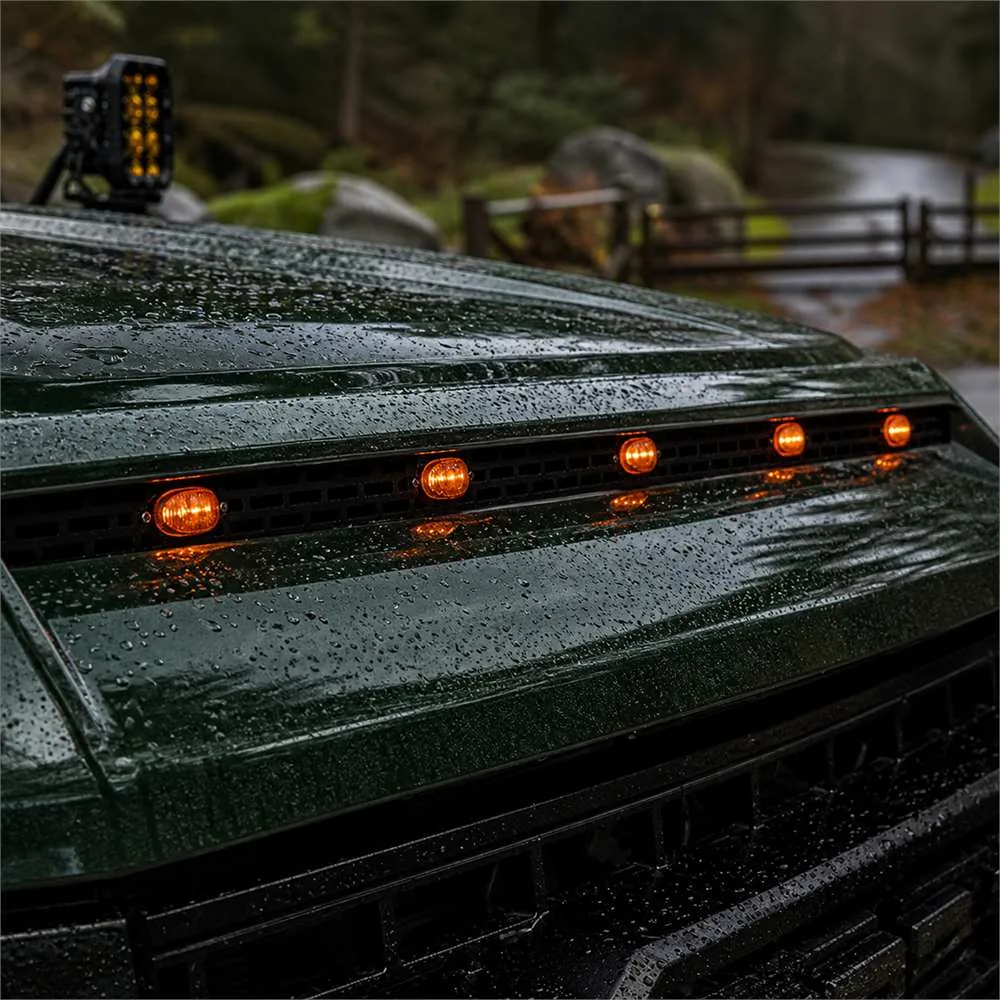
Water beading on a wet hood is what a ceramic coating does best. Absorbing a stone impact is not.
PPF vs ceramic coating: what each one actually does
Rock chips and gravel: PPF absorbs them. Ceramic coating offers essentially no impact protection.
Light scratches and swirls: PPF self-heals with heat. A coating resists minor swirls but cannot repair itself.
Water beading and easy washing: Ceramic coating is strongest here; film is good and becomes excellent with a ceramic topper.
UV and oxidation: Both provide protection through different mechanisms.
Chemical etching (sap, bugs, droppings): Both help, with ceramic coatings generally the stronger surface defence.
Gloss enhancement: Ceramic coating delivers the deeper wet look; clear film is designed to be visually neutral.
Coverage: Film is normally applied to selected impact zones; a coating goes over the whole vehicle, including trim and wheels.
Removability: Film can be peeled without harming cured paint; a worn coating is corrected by polishing and re-application.
What changes once the pavement ends
Trail driving does not introduce a new kind of damage so much as it multiplies the ones a road car occasionally meets. Four factors dominate the decision for an off-road build:
Gravel and loose stone. Chip frequency on unpaved roads is far higher than on a commute, and the front clip, rocker panels and lower doors take most of it.
Brush and branch contact. Narrow tracks leave fine, repeated abrasion along fenders and mirrors — the exact marks a self-healing top coat is designed to erase.
Mud and repeated washing. A trail vehicle gets washed often, frequently under time pressure. A hydrophobic surface reduces how hard each wash has to be, which reduces wash-induced scratching.
Sun and exposure. Long days at elevation, with the vehicle parked outside between runs, make UV and environmental resistance a year-round concern rather than a seasonal one.
For trail-driven vehicles, the industry consensus is unusually consistent: film where things hit, coating everywhere for chemistry and ease of cleaning. Choosing only one leaves one whole category of damage uncovered.
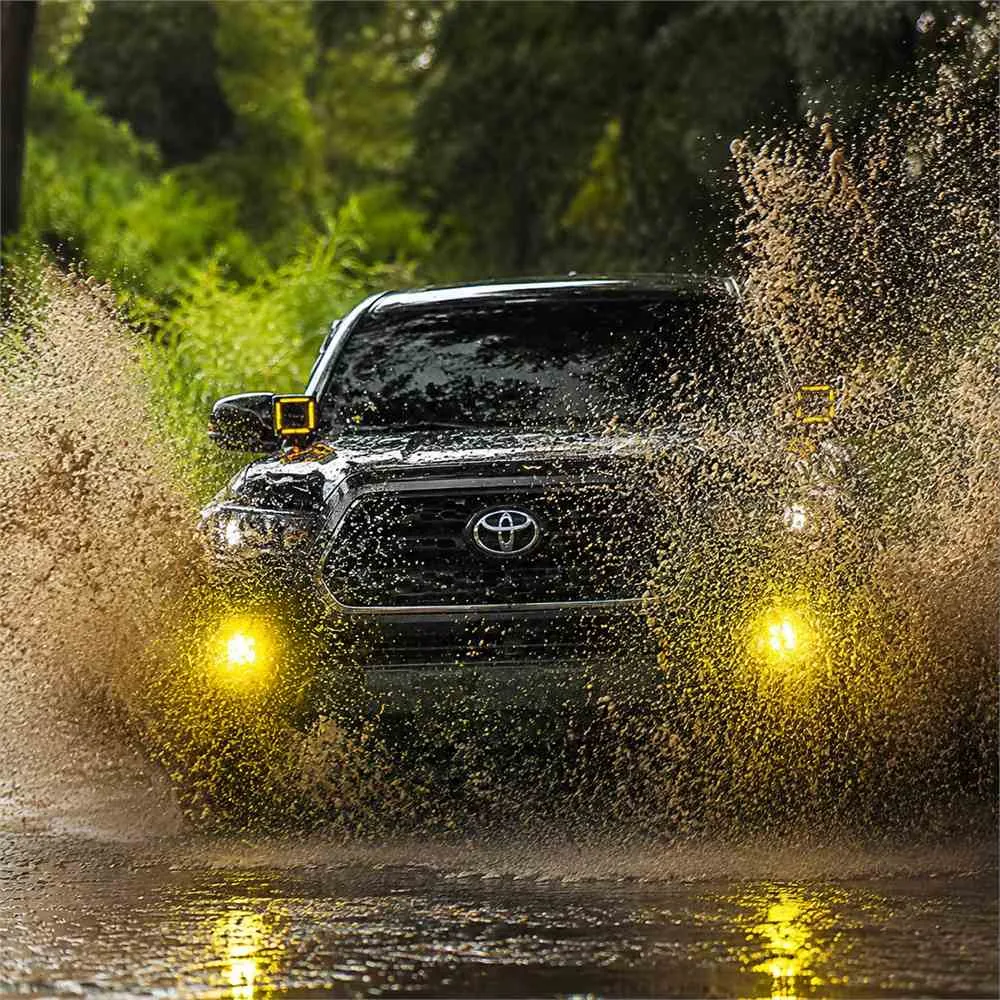
Mud, standing water and repeated washing multiply both kinds of damage on unpaved routes.
The combination most shops recommend for trail use
Correct the paint first. Decontaminate and polish so neither layer seals in existing swirls, oxidation or water spots.
Film the impact zones. Front bumper, leading hood edge, front fenders, mirror caps and rocker panels are the usual priority on a vehicle that sees gravel and brush.
Coat over everything. A ceramic layer goes on the painted panels and, where the system allows, over the film itself — adding hydrophobics, gloss and easier cleaning while the film handles impact.
Maintain both as a system. Gentle, pH-neutral hand washing and no abrasive brushes; a quality film heals light marks with heat, while coatings may need periodic inspection or a top-up.
Choose by how you actually drive
Mostly highway commuting: frequent stone impacts make front-end film the first purchase.
Garaged city driving: lower chip risk and a priority on gloss usually makes a coating sufficient on its own.
Regular trail and gravel use: film on impact zones plus a ceramic topper for easier cleaning is the balanced answer.
Long-term ownership or resale: protecting original, unrepainted panels is the point; a full-body film plus coating covers the most ground.
Care after installation
Allow the recommended curing window before the first wash — commonly around a week for film and one to two weeks for coatings.
Wash by hand with pH-neutral products and clean mitts; avoid abrasive brushes and automated friction washes.
Use warm water or sunlight to help a self-healing film clear fine marks rather than polishing them out.
Inspect film edges and high-impact panels periodically, and replace a damaged section rather than living with a lifted edge.
Frequently asked questions
Is PPF better than a ceramic coating for an off-road vehicle?
For physical damage, yes. For gloss, UV resistance and easy cleaning, the coating wins. They protect against different threats, so the question is which threat your driving produces most often.
Can a ceramic coating stop rock chips?
No. A cured coating is only a few microns thick. Stopping a stone impact requires the thickness and elasticity of a film.
Can ceramic coating be applied over paint protection film?
Yes, and it is a common combination. The film handles impact while the coating adds hydrophobic behaviour, gloss and easier cleaning on top of it.
How long does each one typically last?
Quality film is generally quoted at 5–10 years; professional-grade coatings at 2–5 years. Real numbers depend on exposure, preparation and maintenance, so treat these as category ranges rather than promises about a specific product.
Does PPF yellow or leave visible edges?
Cheaper films can discolour over time, and unwrapped edges can be visible. Premium TPU films include anti-yellowing layers, and competent installers wrap edges where the panel allows it.
Do I need paint correction before either one?
It is strongly recommended. Both film and coating lock in the finish underneath, so applying them over swirls or oxidation preserves those defects.
Which panels should a trail vehicle protect first?
The front bumper, leading hood edge, front fenders, mirror caps and rocker panels take most of the debris and brush contact on unpaved routes.
Where can I find more build guides?
The Rovaree Journal collects our buying guides, installation references and build write-ups for off-road lighting and accessories.
Build for the road you actually drive.
Film where the trail hits, coating everywhere else — then get the rest of the build right. Explore the lighting and accessory range we do carry.